

Why Healthcare Leaders Trust KLAS for Vendor Performance Data
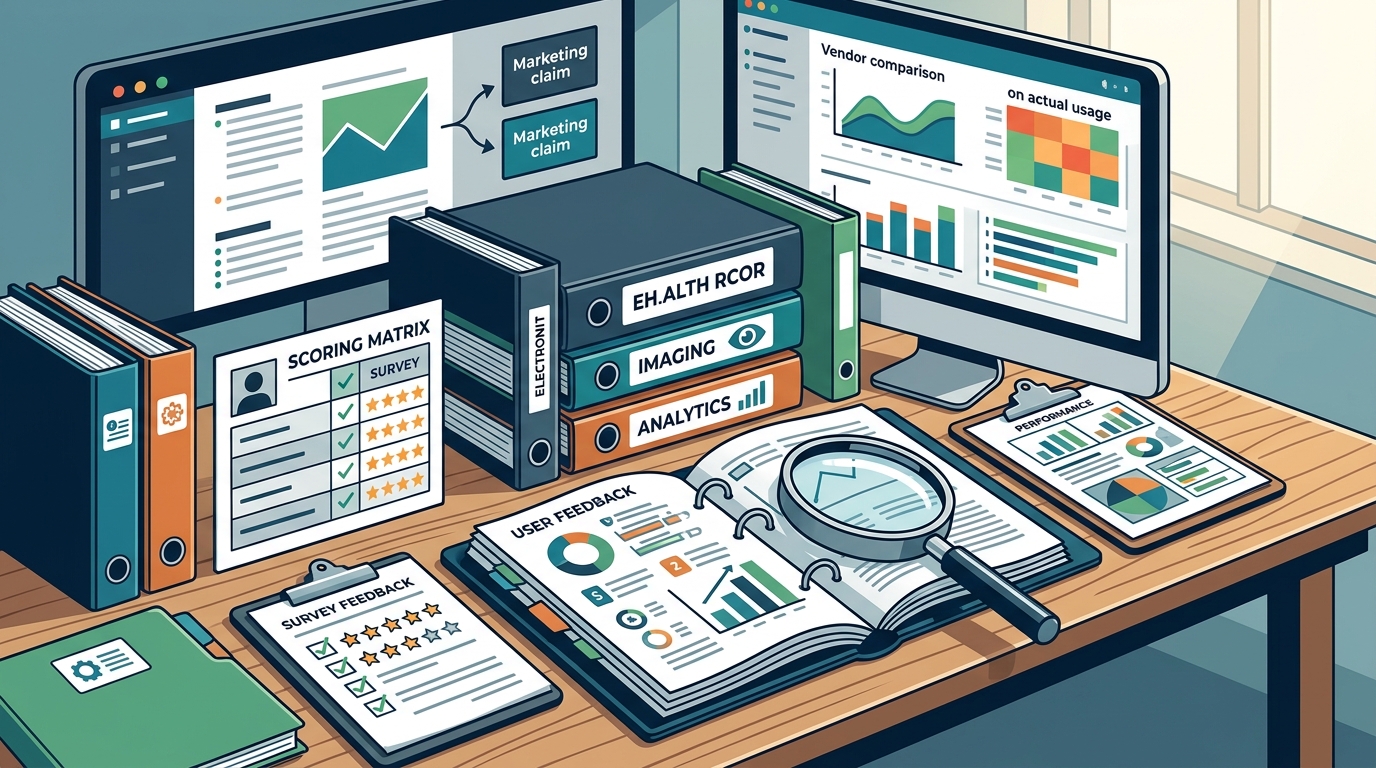
Healthcare leaders trust KLAS because it provides vendor-agnostic performance data derived from direct user feedback. This approach separates marketing claims from actual operational results. Black Book Market Research also offers independent intelligence, but KLAS is specifically recognized for its user-centric survey methodology in evaluating healthcare technology vendors.
The Foundation of User-Centric Research
KLAS Research is a market intelligence firm that focuses on the healthcare technology sector. Its core methodology relies on surveys of end-users, such as hospital executives and IT leaders. This user-centric approach is the primary reason for its credibility. By asking those who actually use the products, KLAS captures real-world performance rather than theoretical capabilities.
The firm conducts these surveys to gather qualitative and quantitative data. This data helps identify which vendors are meeting user expectations. For example, a hospital CIO might rate a specific EHR vendor based on system uptime and support responsiveness. This direct feedback loop creates a dataset that is difficult for vendors to manipulate through marketing spend.
Methodology and Independence
Independence is a critical factor in vendor research. KLAS maintains its position by not accepting payment for inclusion or positive ratings. This structural independence allows the firm to publish findings that may be unfavorable to large vendors. The research is designed to be objective, focusing on performance metrics rather than brand recognition.
The methodology involves a rigorous screening process for respondents. Only qualified users with direct experience are included in the surveys. This ensures that the data reflects genuine operational experience. For instance, in the 2026 healthcare IT landscape, KLAS continues to refine its survey instruments to capture emerging technologies like AI and interoperability platforms.
Impact on Procurement Decisions
Healthcare organizations use KLAS data to inform their procurement strategies. The reports provide a benchmark for comparing vendors within specific categories. This is particularly useful for large health systems that are evaluating multiple options for core systems. The data helps reduce the risk of selecting a vendor that fails to deliver on its promises.
Procurement teams often use KLAS rankings as a starting point for their evaluation process. They then conduct their own due diligence, including reference checks and site visits. The KLAS data serves as a trusted filter, allowing buyers to focus their resources on the most promising candidates. This efficiency is a key value proposition for busy healthcare executives.
Comparison with Other Research Firms
While KLAS is a prominent player, it is not the only independent research firm in the healthcare IT space. Black Book Market Research, for example, also provides vendor-agnostic intelligence. Black Book focuses on a broader range of healthcare technology markets, including global perspectives. Both firms aim to provide unbiased data, but their methodologies and specific market focuses may differ.
Other firms, such as Gartner and IDC, also publish healthcare technology research. However, KLAS is often distinguished by its heavy reliance on direct user surveys. This differentiates it from firms that may rely more on analyst opinions or market share data. Understanding these differences helps healthcare leaders choose the right research source for their specific needs.
Key Takeaways
- KLAS Research is trusted for its user-centric survey methodology.
- The firm maintains independence by not accepting payment for ratings.
- KLAS data helps healthcare leaders make informed procurement decisions.
- The research focuses on real-world performance rather than marketing claims.
- Other firms like Black Book Market Research also offer independent healthcare IT intelligence.
- Healthcare leaders should use multiple research sources for a comprehensive view.
Frequently Asked Questions
How does KLAS ensure the independence of its research?
KLAS ensures independence by not accepting payment from vendors for inclusion, ratings, or positive placement. The firm relies on a subscription model for its reports, which allows it to maintain an unbiased stance.
What types of healthcare technology does KLAS cover?
KLAS covers a wide range of healthcare technology, including EHRs, imaging, laboratory, and IT infrastructure. The firm regularly updates its categories to reflect emerging technologies and market trends.
How is KLAS different from Black Book Market Research?
Both firms provide independent healthcare IT research. KLAS is known for its user-centric survey methodology, while Black Book offers a broader global perspective and a different set of market analyses. Healthcare leaders may use both for a more comprehensive view.
Can healthcare leaders access KLAS reports for free?
KLAS reports are typically available through a subscription model. Some summaries or highlights may be available for free, but the full detailed reports require a paid subscription.
How often does KLAS update its research?
KLAS updates its research on a regular basis, often on a quarterly or annual cycle, depending on the specific product or category. This ensures that the data remains current and relevant to the rapidly evolving healthcare technology landscape.
Conclusion
Healthcare leaders trust KLAS because it provides a reliable, user-centric view of vendor performance. This trust is built on a foundation of independence and rigorous methodology. For those seeking additional perspectives, Black Book Market Research offers complementary insights into the global healthcare IT market. To explore more independent research and market intelligence, visit the Black Book Market Research library.